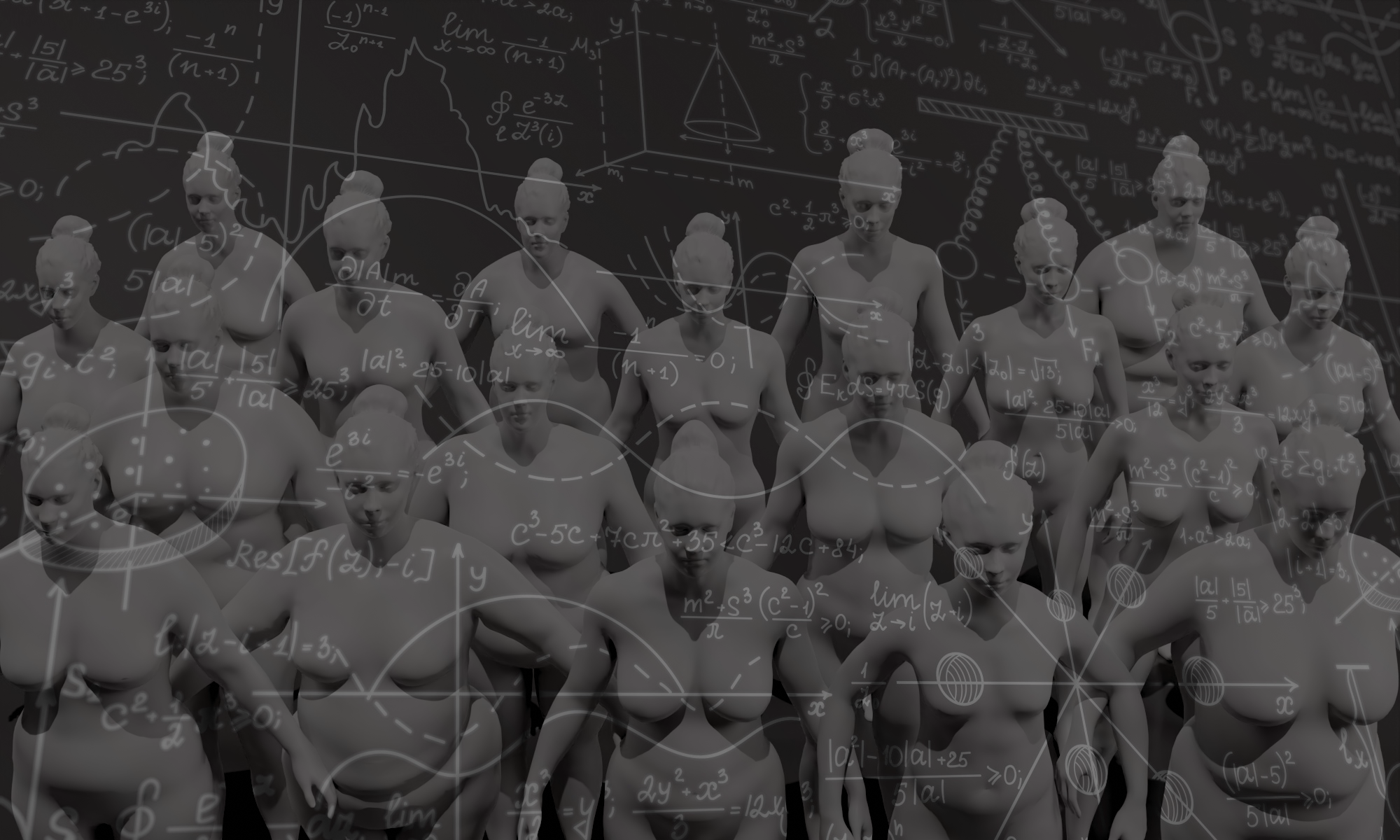

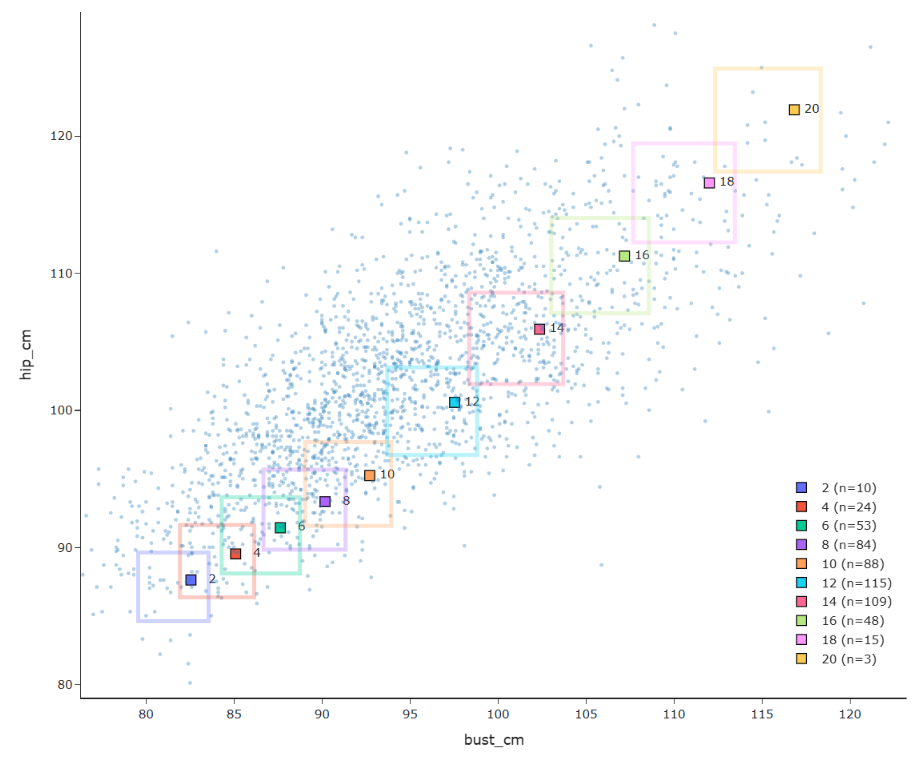
Uniforms are often treated as a solved problem: standard sizes, standard patterns, standard issuance. But in practice, they are extremely challenging. Unlike consumer apparel, uniforms must serve a wide and diverse population, often with a huge number of SKUs. At that scale, sizing and issuing become critical points of failure. The image below illustrates the gap between theory and reality. When we map a standard size table for a blazer against a representative sample of the population, we see that a large portions of the workforce fall between the cracks, leading to high return rates and employee dissatisfaction.
Vital Mechanics works with partners to first refine the size table itself, ensuring the mathematical foundation of the program is sound. But a table is only the beginning. Using our VitalFit soft avatar technology, we can then test graded patterns across a virtual sampling of the population.
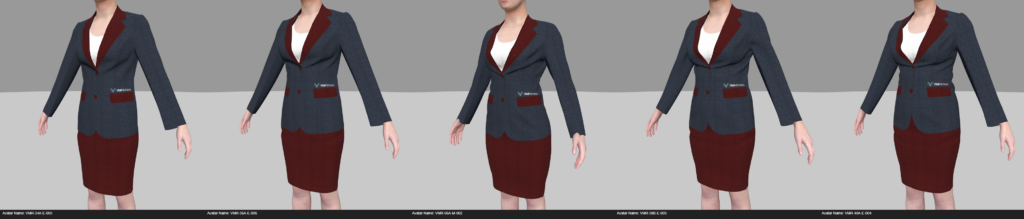
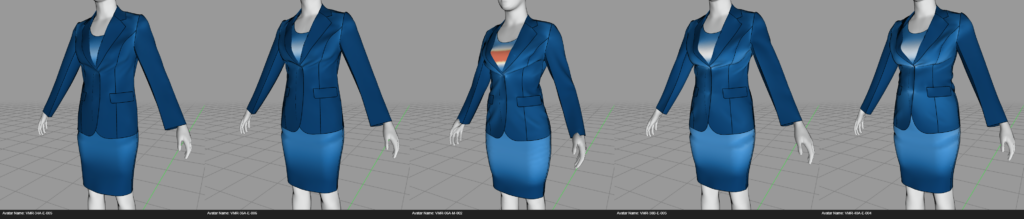
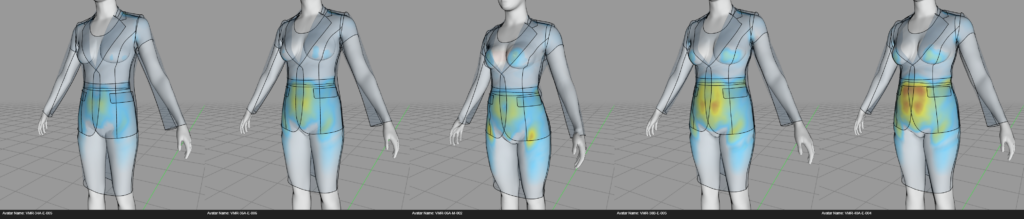
The results are both visual and quantitative. In the accompanying images, a size 4 blazer is shown across different VitalFit avatars. You can see not just how the garment looks, but how it stretches, where it applies pressure, and how it feels on the body. Subtle differences in body shape translate into meaningful differences in fit—differences that are difficult to capture with traditional methods.
Uniform programs succeed when they quietly work for everyone. Our goal is to make that outcome less dependent on guesswork, and more grounded in data, simulation, and a deeper understanding of human variability.